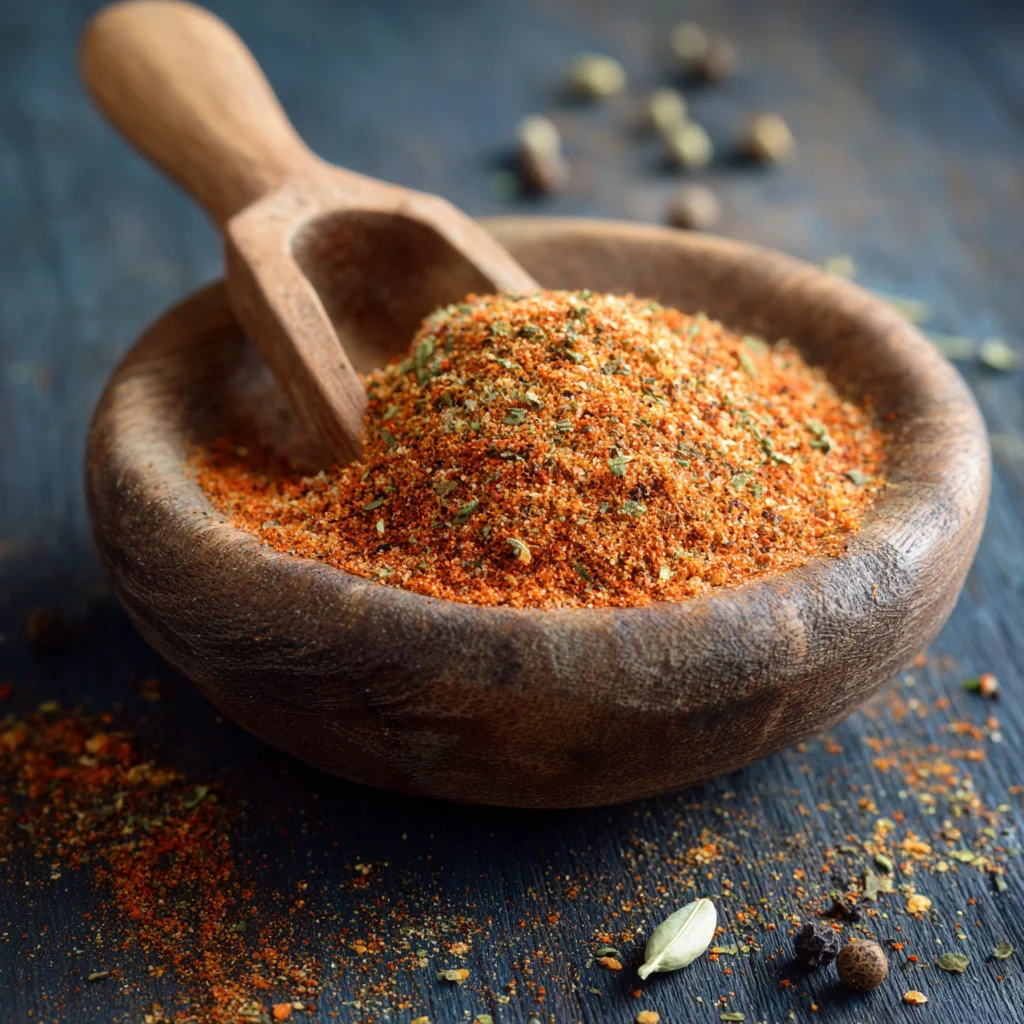
Minute Homemade Creole Seasoning: Superior Flavor & Low Sodium
There are certain spice blends that don't just add flavor to food; they infuse it with a story, a culture, a very soul. For many, especially those who cherish the vibrant culinary traditions of Louisiana, Creole seasoning is precisely that magical concoction. It's the unmistakable backbone of an incredible jambalaya, the secret to perfectly blackened fish, and the warm, peppery embrace that elevates countless dishes from ordinary to extraordinary.
For too long, home cooks have settled for store-bought Creole seasoning blends. While convenient, these pre-packaged options often fall short. They can be excessively salty, surprisingly bland, or simply lack the fresh, vibrant kick that true Creole cooking demands. This common frustration is what drives many to seek a better way, a more authentic and controlled approach to flavor. The solution? Crafting your very own creole seasoning recipe at home.
Imagine a blend that's not only bursting with fresher, more complex flavors but also allows you complete control over one of the most critical elements: sodium. This guide will walk you through creating a homemade Creole seasoning that is beautifully balanced, easy to customize, and tastes infinitely superior to anything you'll find on a supermarket shelf. Get ready to sprinkle a little bit of New Orleans sunshine into your everyday cooking, all while keeping your health goals in mind!
Why Ditch Store-Bought? The Unmatched Benefits of Your Own Creole Seasoning Recipe
Once you experience the difference a homemade creole seasoning recipe makes, you’ll likely never return to pre-packaged versions. The advantages are compelling and significantly impact both the taste of your food and your well-being.
Superior Flavor & Aromatic Potency
The most immediate and undeniable benefit of making your own seasoning blend is the profound difference in flavor. Spices, like all natural ingredients, lose their potency over time, especially once ground and exposed to air. Store-bought blends can sit on shelves for months, even years, before reaching your pantry. By contrast, assembling your own blend means using fresh, high-quality spices, often purchased whole and ground just before mixing. This freshness translates into a more potent, aromatic, and complex taste profile that simply can't be replicated by mass-produced products. Each herb and spice sings louder, creating a symphony of flavors that truly captures the essence of Creole cuisine.
Low Sodium Control: A Health-Conscious Choice
One of the biggest drawbacks of commercial spice blends is their notoriously high sodium content. Salt is often used as a cheap filler and flavor enhancer, leading to blends that can quickly push your sodium intake beyond healthy limits, especially if you're not careful. Our homemade creole seasoning recipe puts you firmly in control. By listing salt as an optional, separate ingredient, you can precisely adjust the salinity to your preference or dietary needs. This low-sodium flexibility is invaluable for those monitoring their salt intake due to health concerns, but it also allows the natural flavors of the spices and your food to shine through without being masked by excessive saltiness. For more on this, check out Why Homemade Creole Seasoning Beats Store-Bought Blends.
Budget-Friendly & Customization Potential
While the initial cost of stocking up on individual spices might seem higher, in the long run, making your own blends is incredibly budget-friendly. You likely already have many of these spices in your cupboard, and purchasing them in bulk is often more economical than buying multiple small seasoning packets. Beyond cost, the power of customization is immense. Want more heat? Add extra cayenne. Prefer a smokier profile? Increase the smoked paprika. This flexibility allows you to tailor the blend not just to your health needs but to your exact taste preferences, creating a truly signature seasoning.
Quick, Easy, & Perfect for Gifting
Don't let the idea of making your own seasoning intimidate you. This particular creole seasoning recipe is designed to be incredibly fast – taking less than 5 minutes to measure, mix, and store. It’s a minimal investment of time for a massive payoff in flavor and control. Furthermore, a beautifully packaged jar of homemade Creole seasoning makes a thoughtful and unique gift for any food lover in your life, demonstrating care and a touch of culinary flair.
Crafting Your Signature Creole Seasoning Recipe: A Step-by-Step Guide
Creating your own Creole seasoning is a simple yet profoundly rewarding kitchen task. The beauty of this recipe lies in its clarity and its intentional separation of ingredients, particularly salt, to give you ultimate control.
The Ingredients: A Symphony of Spice
This blend combines aromatic herbs with vibrant peppers, creating the signature depth and warmth of Creole cuisine. Remember, the quality of your individual spices directly impacts the final flavor of your blend, so opt for fresh, aromatic varieties whenever possible.
- Aromatic Base:
- 3 tablespoons Smoked Paprika (or sweet paprika for a milder, less smoky flavor)
- 2 tablespoons Garlic Powder
- 2 tablespoons Onion Powder
- 2 tablespoons Dried Oregano (Mexican oregano offers a slightly earthier, citrusy note; standard oregano works perfectly well)
- 2 tablespoons Dried Thyme
- Heat and Depth:
- 1 tablespoon Cayenne Pepper (reduce to 1-2 teaspoons for less heat, or increase for a bolder kick)
- 1 tablespoon Black Pepper (freshly ground is always superior for aroma and pungency)
- 1 tablespoon White Pepper (essential for that unique, subtle, and slightly pungent "Creole bite" often associated with the blend)
- Salinity (Adjust to Preference):
- 1 tablespoon Kosher Salt (or fine sea salt, keeping in mind that different salts have varying levels of salinity by volume)
Quick Prep, Lasting Flavor: The 5-Minute Method
The preparation for this creole seasoning recipe couldn't be simpler:
- Combine: In a medium-sized bowl, add all the ingredients (smoked paprika, garlic powder, onion powder, dried oregano, dried thyme, cayenne pepper, black pepper, and white pepper).
- Add Salt (Optional/Adjustable): Now, decide on your salt content. Start with ½ tablespoon of kosher salt if you prefer less sodium, or add the full tablespoon for a more traditional level. You can always add more salt directly to your dish later, but you can't take it out of the blend!
- Mix Thoroughly: Using a whisk or a spoon, mix all the spices together until they are completely combined and there are no clumps. Ensure an even distribution of all ingredients for consistent flavor.
- Store: Transfer your homemade Creole seasoning to an airtight container. A small glass jar with a tight-fitting lid is ideal. Store it in a cool, dark place, away from direct sunlight or heat, to maintain its potency.
Prep Time: 5 minutes
Cook Time: 0 minutes
Total Time: 5 minutes
Yields: Approximately 1/2 cup of seasoning.
Ingredient Notes & Pro Tips for Perfection
- High-Quality Spices: This cannot be stressed enough. Fresh, vibrant spices make all the difference. Check the "best by" dates, and if your spices have been sitting in your pantry for years, it's time to replace them.
- Grinding Your Own: For ultimate freshness, consider buying whole black pepper and grinding it yourself just before mixing. You can even find whole dried oregano and thyme to grind, though powdered forms are perfectly acceptable for convenience.
- White Pepper's Role: Don't skip the white pepper! While sometimes overlooked, it contributes a distinct, sharp, and earthy heat that is characteristic of authentic Creole blends and helps distinguish it from more robust Cajun profiles.
- Paprika Variations: Smoked paprika adds a beautiful depth and a subtle BBQ-like note. If you prefer a brighter, less smoky flavor, use sweet paprika. For a vibrant color without the heat, Hungarian sweet paprika is an excellent choice.
- Salt Consistency: Kosher salt and fine sea salt are generally preferred for their clean taste. If using table salt, reduce the quantity by about one-third, as its finer granules make it saltier by volume.
Beyond the Blend: Unleashing Your Creole Seasoning Recipe in the Kitchen
Once you’ve mastered your homemade creole seasoning recipe, the culinary possibilities are endless. This versatile blend is your secret weapon for infusing a taste of Louisiana into a multitude of dishes, both classic and everyday.
Classic Creole & Cajun Dishes
Naturally, this seasoning is indispensable for traditional Creole and Cajun fare. It's the core flavor builder for iconic dishes like:
- Jambalaya: Whether it's chicken and sausage or seafood, a generous dash of this seasoning brings it to life.
- Gumbo: From the roux to the finished stew, Creole seasoning adds layers of complexity.
- Étoupée: The perfect complement to shrimp or crawfish étouffée, providing that signature spicy depth.
- Blackened Fish or Chicken: Achieve that crispy, flavorful crust on your favorite protein. Just dredge, sear in a hot cast-iron skillet, and enjoy!
- Red Beans and Rice: A staple Monday dish that truly benefits from the aromatic spices.
Everyday Culinary Enhancements
Don't limit this fantastic blend to just special occasions. It's incredibly versatile for everyday cooking:
- Roasted Vegetables: Sprinkle it over potatoes, bell peppers, onions, zucchini, or corn before roasting for a flavorful side dish.
- Grilled Meats: Use it as a dry rub for chicken, pork chops, steak, or shrimp before grilling or pan-searing. It creates a beautiful crust and infuses deep flavor.
- Eggs: A pinch added to scrambled eggs, omelets, or even deviled eggs elevates breakfast or brunch.
- Soups & Stews: Stir it into chili, lentil soup, or any hearty stew for an instant boost of warmth and spice.
- Popcorn & Snacks: Dust it over freshly popped popcorn or homemade potato chips for a gourmet snack.
- Marinades & Dressings: Whisk it into olive oil and vinegar for a vibrant salad dressing, or use it as a base for a chicken or fish marinade.
For more inspiration and specific applications, explore Unlock Authentic Louisiana Taste: DIY Creole Spice Blend Recipe.
Cajun vs. Creole Seasoning: A Brief Culinary Exploration
It's a common question in the world of Louisiana cuisine: what's the difference between Cajun and Creole seasoning? While often used interchangeably, especially in store-bought blends, there are subtle distinctions that emerge more clearly when you craft them yourself.
Historically, Creole cuisine, born in the bustling city of New Orleans, is considered more refined, drawing influences from French, Spanish, African, and Caribbean cultures. It tends to use more tomatoes, seafood, and a wider array of herbs. Cajun cuisine, on the other hand, originated in the bayous and prairies of Southwest Louisiana, characterized by more rustic, one-pot dishes, often featuring local game and a "holy trinity" of onion, celery, and bell pepper.
In terms of seasoning, store-bought Cajun and Creole blends can taste nearly identical, often focusing on a robust pepper and garlic profile. However, traditional Creole seasoning often incorporates white pepper, contributing a specific pungency and a slightly lighter, brighter flavor profile compared to some Cajun blends which might lean heavier on black pepper and often more cayenne. Our creole seasoning recipe, with its distinct inclusion of white pepper and balanced herb profile, distinctly leans into the aromatic and layered flavors characteristic of Creole cooking.
Ultimately, both are delicious, bold, and integral to Louisiana's culinary identity. Making your own allows you to appreciate and even emphasize these nuances, tailoring your blend to the specific dish or regional preference you're aiming for.
Conclusion
Taking just five minutes to create your own creole seasoning recipe is a small effort that yields monumental returns in your kitchen. You gain unparalleled flavor, the crucial control over sodium, and the satisfaction of knowing exactly what goes into your food. This homemade blend will quickly become a cherished staple, transforming everyday meals into culinary experiences infused with the warmth and vibrancy of Louisiana. So, clear a spot in your spice rack, gather your ingredients, and prepare to embark on a flavorful journey that will revolutionize your cooking. Your taste buds, and your health, will thank you.
